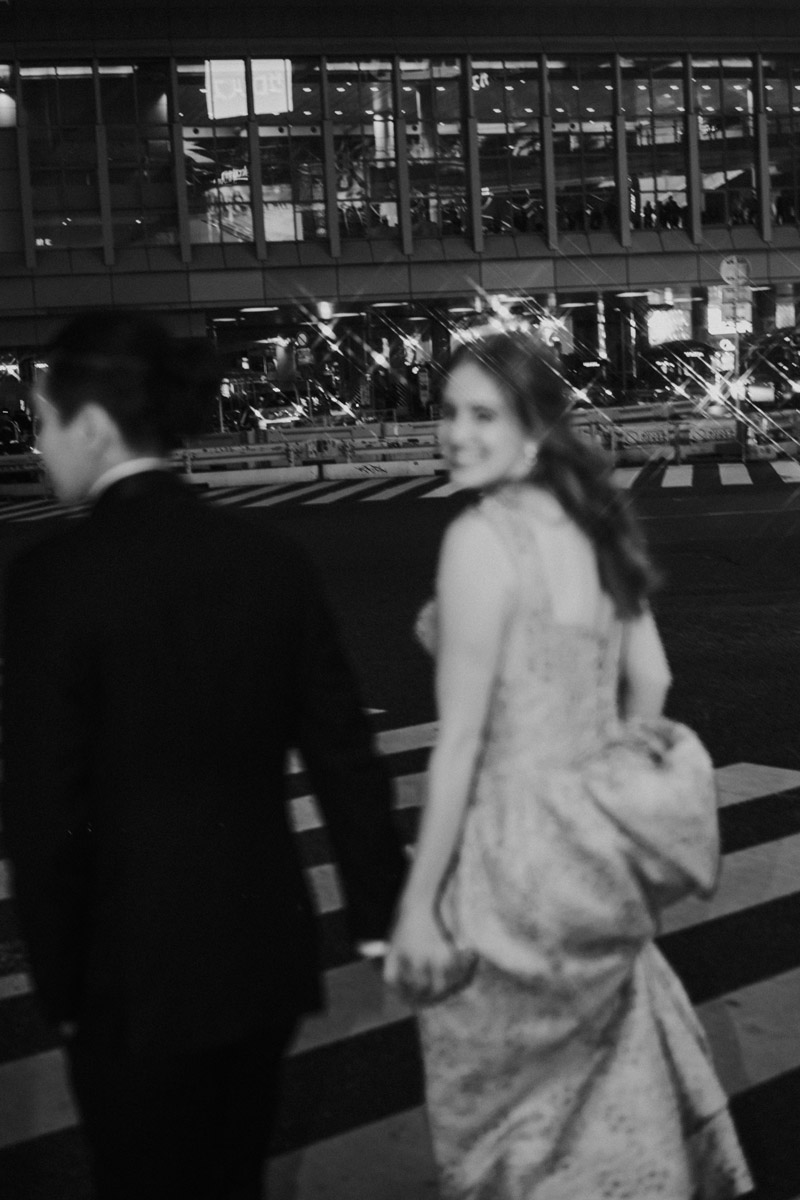
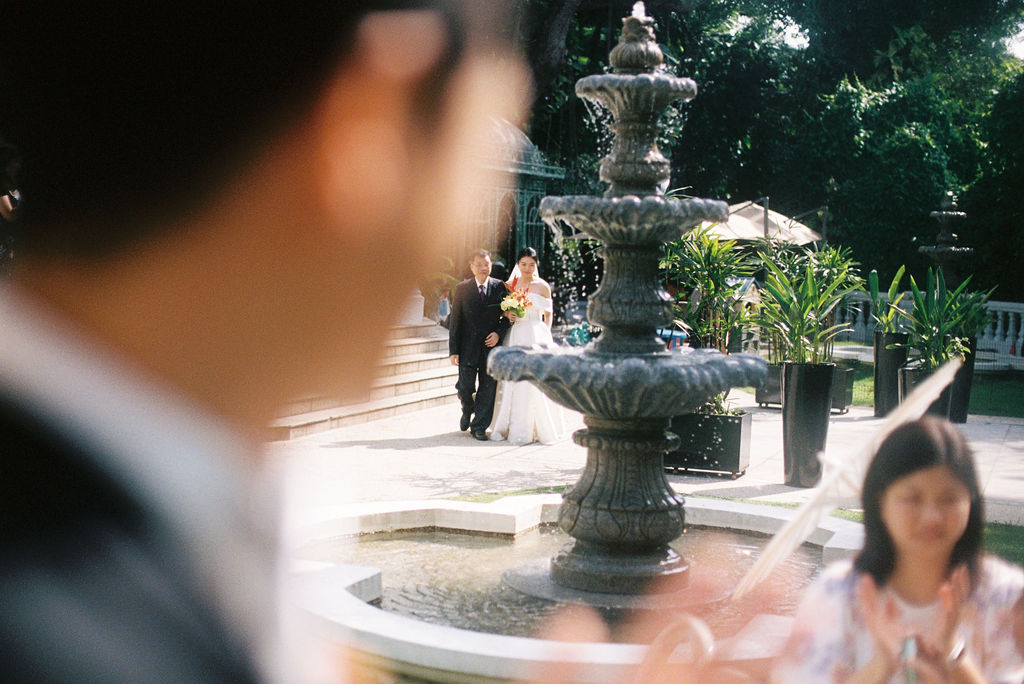
For Nerissa and Masato’s September 2025 celebration, lead designer Lydia of Monday Bloom brought a bold, playful vision to life. What made it truly remarkable was the collaboration: Nerissa’s clear, confident ideas paired with Lydia’s expertise and the team’s technical skill created a wedding that was both daring and cohesive. This piece takes us behind the scenes of their creative process, showing how trust, experimentation, and collaboration turned bold ideas into a visually stunning reality.
- Design Overview
- The Brief: When Bold Vision Meets Creative Challenge
- The Striped Tablecloth Experiment
- The Ceremony Structure – Drapery Meets Reality
- The Day It All Came Together
- Looking Back: What Made This Design Special
- Key Design Takeaways
- Frequently Asked Questions
- Can you really create a beautiful wedding design without heavy florals?
- What made the striped tablecloths work instead of looking chaotic?
- How do you build a ceremony structure that can handle the weather?
- What’s the one thing couples should know about bold, personality-driven design?
- How much time does custom textile design actually take?
- The Wedding Story
Design Overview
Design Philosophy: “Loud in love, full of movement, and just the right mix of fun and fierce”
Colour Palette: Bold red + black-and-white stripes + ivory accents
Lead Designer: Lydia, Monday Bloom (@mondaybloom_)
Design Approach: Textile-forward with strategic lighting and carefully placed florals
Guest Count: 100 (outdoor beachside celebration at Phalosa Villa, Bali)
Key Innovation: Customised striped tablecloths, heavy fabric drapery ceremony structure, chinoiserie vases, vintage European accents
Creative Timeline: 2+ months of fabric hunting, customisation, and experimentation
Guest Response: “So boldly them” and “visually stunning”
The Brief: When Bold Vision Meets Creative Challenge


“I was really excited to do Nerissa’s wedding,” Lydia from Monday Bloom recalls. “My first thought was wow, she’s very bold picking up red as her main colour and no other complementary colour except ivory and super minimal touch of green and blue. But I do really have a strong feeling this could be something new in the wedding industry which is that red can be fun and amazing.”
Nerissa’s brief was direct: red, stripes, bold personality. Nothing too stiff or traditional. She wanted guests to walk in and immediately feel the energy that defined her relationship with Masato – playful, confident, unapologetically them.
The Striped Tablecloth Experiment
When a Simple Idea Becomes a Two-Month Fabric Quest
While most couples lean on Pinterest-perfect florals, Nerissa chose stripes. “Besides her quirky personality, I enjoy sharing experimental ideas with her such as tablecloth prints,” Lydia recalls. “At first she was a bit unsure and afraid that the stripes would look like a circus or kids’ birthday party instead of a wedding.”
It was a valid fear. Stripes can swing from elegant to chaotic depending on colour and proportion. Yet Lydia saw potential: “Since the tablecloth itself is a customised one, I did lots of samples, experimenting with red and pink shades and different stripe widths. That’s what me and Nerissa thought about a lot.”


Right: The final design had sharp square edges.
This wasn’t as simple as renting linens. It took two months of sourcing fabrics in Bali, testing colour combinations, sampling stripe widths, and working through multiple rounds with tailors and print shops.
“I’m very grateful she trusted me,” Lydia says. “I assured her the printed fabric combination would work and would enhance the overall look of the all-red flower centrepiece theme.”
The Round Table Challenge and Chinoiserie Solution
Long tables naturally form visual narratives. Round tables, however, require focal points. “I was afraid the round table setup would look plain,” Lydia says. The solution appeared when Nerissa suggested adding chinoiserie to the moodboard.


“She wanted something colour-blocking, quirky but still pleasing to the eye, so chinoiserie it is.”

Unexpectedly, the blue-and-white patterns paired elegantly with the bold red and stripes, grounding the playfulness with classic refinement.
Details: Napkins and Vintage Vases
Once custom tablecloths took shape, Lydia and Nerissa moved on to the finer details. “This project took a lot of process, because other than tablecloth, we also thought to the smallest detail like napkin,” Lydia shares. “The first napkin mockup was pink-and-red with rounded edges, but it didn’t work,” Lydia says. They pivoted to clean, squared napkins, echoing the stripe geometry.


Nerissa’s next idea: European vintage vases for the entrance. “She imagined ornate, carved pieces,” says Lydia. But shipping them to Bali was unrealistic. Instead, they opted for minimalist European-inspired vases accented with cherry tomato garlands for a playful, fresh twist.
“The customisation made it fun, even if it meant we needed to prepare two months prior to production,” Lydia reflects. “It took lots of back-and-forth with tailors and print shops, but knowing it would all come together made it worthwhile.”
On the Day: Narrative Realised
Guests arrived at tables that radiated personality. Some with bold black-and-white stripes, others solid red, all tied together with custom napkins. Chinoiserie vases held red blooms. Cherry tomato details added spontaneous charm to the entrance. Candlelight danced over the stripes, creating a sense of movement.
The Ceremony Structure – Drapery Meets Reality
The Challenge
“For the ceremony décor, Nerissa wanted heavy, dramatic drapery to conceal the chapel’s aging look and match the bold aesthetic,” Lydia explains. While fabric-draped ceremonies are popular, Nerissa wanted more than plain flows: she wanted a striking, architectural centerpiece.
The Construction
Creating it wasn’t easy. Lydia’s team engineered a square base over the round chapel, layering sheer white fabric for a glowing backdrop and thicker ivory fabric for depth. Each drape was precisely positioned for drama and balance, all atop a sturdy structure that could withstand beach winds.
Installation Morning: Weather Woes
Rainy season in Bali meant unpredictable weather and strong coastal gusts. Installation began early, using secure fixing and a contingency plan for wind and rain. “Wind and weather is what challenge us the most during the drape installation considering it was rainy season in Bali,” says Lydia. “But thankfully, everything went according to our plan.”
The Transformation
The chapel vanished beneath luminous layers, the ivory drapes billowing gently in the seaside breeze. As evening fell, bistro and uplighting transformed the fabric into a radiant, romantic focal point. “At night the chapel looks lively with the help of ambiance lighting and give a warm romantic look,” Lydia notes.
The Impact


“Guests took photos there as if it was a photobooth corner,” Lydia observes, the ultimate compliment. With the dramatic drapes, the old chapel became a living backdrop: proof it was more than decoration; it was an experience.
The Day It All Came Together
For Lydia’s team, wedding day started before sunrise with draping fabric, styling tables, placing vases, finalizing every custom detail. All the fabric experiments, the stripe debates, the hours at local tailors and print shops led to these decisive early hours.
Guests arrived at a scene that was anything but typical: a chapel transformed by bold, romantic drapery; late afternoon sun glowing through sheer fabric; the ocean framed through textiles. The reception revealed custom striped tablecloths, chinoiserie vases, square-edged napkins, red floral centrepieces, and those playful cherry tomato garlands. Nothing matched perfectly, yet everything clicked. “It was very us,” Nerissa reflects.
When the dance floor lit up with red LED light, the atmosphere shifted from romantic elegance to full-blown party, just as Nerissa hoped. Guests lined up for photos beside the ceremony backdrop, declaring it “so boldly them” and “visually stunning”.
It does not matter how much floral there was. Instead, the unique blend of textiles, lighting, and colour told the story of a collaboration built on vision, expertise, and trust.


Looking Back: What Made This Design Special
For Lydia, what set this project apart was the creative trust and willingness to experiment. From bold striped tablecloths (that could have veered into “circus” territory) to solving weather challenges with dramatic drapery. All that fabric hunting and custom work paid off, resulting in a look that was bold yet cohesive and utterly unique.
“I do really have a strong feeling this could be something new in the wedding industry, that red can be fun and amazing,” Lydia reflects on the initial brief. Mission accomplished: red was fun, stripes looked sophisticated, drapery transformed the ceremony, chinoiserie added polish, and cherry tomato garlands brought whimsy. Every risk turned to reward.


Nerissa agrees: “We wanted our wedding to scream ‘us!’ Nothing too stiff or traditional, just full of personality and colour.”
The design delivered. “When we see our ceremony photos, that draped structure perfectly captures our aesthetic,” Nerissa notes. “The combination of flowing fabric and those strategic pops of red florals – it’s elegant but playful, romantic but not traditional. It’s exactly us.”
Key Design Takeaways
- Bold colour without complementary hues can work – Red + ivory + minimal green/blue proved vibrant without overwhelming
- Pattern mixing requires precision, not avoidance – Stripes with chinoiserie succeeded through careful proportion and shade selection
- Textile customisation delivers personality – Two months of fabric work created a distinctive aesthetic that rental linens couldn’t match
- Fabric drapery can replace traditional floral arches – Heavy drapery with strategic florals delivered ceremony drama at a different investment ratio
- Designer-client trust enables experimentation – Nerissa’s trust in Lydia’s expertise allowed for bold choices to succeed
- Creative collaboration requires time – Distinctive design doesn’t happen in a single consultation; this took months of back-and-forth discussion and work
- Clear vision holds diverse elements together – When a couple knows what they want, the trusted designer can push boundaries without losing cohesion
Frequently Asked Questions
Can you really create a beautiful wedding design without heavy florals?
Yes. Nerissa and Lydia showed that you can lead with textiles, lighting, and a few well-placed flowers and still create something incredibly beautiful.
Instead of pouring everything into flowers, they:
- Invested in custom fabric details (striped tablecloths, heavy ceremony drapery, square-edged napkins)
- Designed a strong, architectural ceremony structure that became a true focal point
- Used pattern and colour through textiles rather than relying on large floral arrangements
- Placed florals only where they would have the most impact
- Transformed the mood with lighting (red LED dance floor, bistro lights, uplighting)
Guests described the celebration as “visually stunning” without realising there were fewer flowers than usual. The textile-led approach created a personality-driven look that a traditional, flower-heavy design simply wouldn’t have achieved.
When this works best:
- Couples have a clear colour and pattern direction
- The celebration prioritises personality over classic or traditional elegance
- The budget is used not just on products, but on creative time, experiments, and customisation

What made the striped tablecloths work instead of looking chaotic?
Lydia’s behind-the-scenes experiments made all the difference.
Here’s what she paid attention to:
- Stripe width: “The width of the stripe itself is what Nerissa and I thought about a lot,” Lydia explains. Stripes that were too narrow looked busy; too wide and they lost their rhythm. They tested multiple samples to find a stripe that felt polished rather than loud.
- Colour shades: “I did lots of samples experimenting with combinations of red and pink shades in the stripe.” It wasn’t just “red and white stripes,” but carefully chosen tones that paired beautifully with the red floral centrepieces.
- Where stripes were used: Not every table had stripes. Some were dressed in solid red linens. Alternating between striped and solid tables kept the room from feeling overwhelming while still telling one cohesive colour story.
- Grounding details: Chinoiserie vases brought in a classic, traditional pattern that balanced the energy of the stripes. Custom square-edged napkins echoed the geometry and tied the look together. The red floral centrepieces created blocks of solid colour for the eye to rest on.
- Trusting your designer: “I’m very grateful that she gave her trust fully to me, assuring her that this printed fabric combination works,” Lydia says. Her design experience helped decide which proportions and combinations would feel elevated instead of messy.
Nerissa’s honest worry at the start: “I was afraid the stripes would look like a circus or kids’ birthday theme.” The end result? Guests saw the look as playful but sophisticated, not chaotic.
The takeaway: stripes only work this well when there’s precision in proportion, colour, and placement. It’s never about “just adding stripes.”

How do you build a ceremony structure that can handle the weather?
For Nerissa and Masato’s Bali beachside ceremony, Lydia had to balance drama with practicality.
The challenge “Wind and weather challenged us the most during the drape installation, considering it was rainy season in Bali,” she recalls.
The solution:
- A solid base structure “We needed to build a square base structure first” — something sturdy enough to hold the fabric’s weight and resist wind, not just a light, decorative arch.
- Layered fabrics They started with white sheer fabric for a soft, luminous effect and layered thicker ivory fabric over it for weight and structure. The drapes were arranged to move gently in the wind without becoming unmanageable.
- Smart timing and secure installation The team installed everything early in the morning before the strongest winds, using firm fixing points rather than simply hanging fabric over the frame. They also had a contingency plan in case the weather turned.
The outcome: “Thank God everything went according to our plan. We were satisfied with how it turned out, and yes, it worked!” Lydia says. The structure held up in the weather, kept its dramatic shape, and photographed beautifully.
Professional insight: Heavy fabric drapery actually needs a stronger structural base than most floral arches. But once it’s properly engineered, it can handle wind and rain better than delicate flowers.


What’s the one thing couples should know about bold, personality-driven design?
From Lydia’s experience working with Nerissa, it comes down to this: a clear vision plus creative trust.
“I believe each bride and groom has a different character, and Nerissa is super straightforward with her taste and ideas. I just helped bring that vision into reality,” Lydia says.
The key ingredient isn’t an unlimited budget; it’s clarity.
Nerissa knew:
- What she wanted: red, stripes, bold, playful
- What she didn’t want: traditional, soft, expected
- When to trust the experts: stripe width, adding chinoiserie, how to engineer the fabric drapery
Lydia contributed:
- Technical know‑how to make the ideas work in real life
- Creative problem-solving (turning “this might look like a circus” into clever pattern mixing)
- Practical judgment on what would actually hold up and look good (fabric proportions, weather-resistant installation)
The result was months of fabric hunting, custom production, and trial-and-error that led to a wedding that felt distinctly “them”.
Lydia’s reflection: “I really enjoyed the process, thinking that this would all be worth it. I’m happy that it turned out well and smooth.”
For couples, the roles are simple:
- Your job: communicate your vision clearly and be open to guidance.
- Your designer’s job: use their skills to translate that vision into something beautiful, practical, and uniquely yours.
When both sides do their part, you end up with weddings like this—memorable, distinctive, and deeply reflective of who you are.


How much time does custom textile design actually take?
Nerissa’s wedding is a good example of what a realistic timeline looks like when you commit to custom fabrics.
Here’s how Lydia’s process unfolded:
- Months 1–2 Initial design consultation, mood boards, first ideas for stripes, and the start of fabric hunting.
- Months 3–6 (critical production period) Multiple fabric samples to test stripe widths and colour combinations, back-and-forth with local tailors to coordinate production, trips to print houses for colour matching, and refining the napkin design (from rounded edges to crisp square corners). Around two months were dedicated just to producing the tablecloths and napkins.
- Months 7–8 Finalising the ceremony structure design, choosing vases (chinoiserie and vintage European-inspired pieces), and aligning floral design with the textile choices.
- Months 9–10 Technical planning for building the ceremony structure, preparing for rainy-season weather in Bali, and locking in all final details.
In total, the design process took about 10 months, with two full months dedicated to textile production.
The lesson: Custom fabrics take significantly longer than choosing standard rental linens—but they also create a look that feels truly one-of-a-kind. Build in extra time for sampling, testing, and revisions. As Lydia notes, “Since there were lots of customised items, we needed to prepare at least two months before production.”
The Wedding Story
These design insights come from Nerissa and Masato’s September 2025 celebration, a wedding shaped by months of creative collaboration between the couple and their designer. The result was an atmosphere guests are still calling “so boldly them”.
Photography by Michael Madjid of Derai Studio (@derai.studio @michaelmadjid) captured every custom detail and transformation throughout the day. Lydia and the team at Monday Bloom (@mondaybloom_) turned unconventional ideas into polished, sophisticated results, while Fortune Bali Wedding (@fortunebaliwedding) ensured everything ran smoothly from start to finish.
Read Nerissa and Masato’s Wedding Story →
Design insights shared with Nerissa and Masato’s permission and Lydia/Monday Bloom’s generous collaboration to help couples and vendors approach bold design with confidence.